

Growing older doesn’t always mean growing wiser. While age brings experience, emotional maturity requires self-awareness, accountability, emotional regulation, and a willingness to grow. Discover why emotional immaturity persists in some adults, how unresolved emotional patterns affect relationships and personal well-being, and what it takes to break unhealthy cycles, foster deeper connections, and develop greater emotional resilience.
“When you know better, you do better.”
— Maya Angelou
Time has a remarkable way of changing the world around us. Seasons come and go, familiar faces grow older, and yesterday’s experiences become tomorrow’s memories.
With each passing year, we collect new chapters in the story of our lives. Yet while the calendar faithfully records the passage of time, it cannot measure how much we’ve grown within.
One aspect of human behavior that has always bewildered me is how an otherwise intelligent, capable, and seemingly well-adjusted adult can suddenly transform into an adolescent version of themselves when emotionally triggered.
Someone who demonstrates remarkable composure at work may become defensive over a minor disagreement at home. A person who is ordinarily thoughtful and considerate might lash out when they feel criticized, rejected, or disrespected. It’s almost as though a switch has been flipped, revealing a younger self who reacts impulsively, with little consideration for how their words or actions might affect others.
None of us is entirely immune to this phenomenon, myself included. I’ve had moments when my emotions got the better of me, although I’ve become more adept at recognizing these reactions and choosing a different response over the years.
But the question continues to fascinate me: Why do otherwise mature adults sometimes regress into younger, less emotionally developed versions of themselves?
After all, we associate adulthood with wisdom, responsibility, and sound judgment. We celebrate visible milestones such as professional achievement, financial independence, marriage, and parenthood. Yet the quieter milestones of personal growth—developing humility, accepting differences, taking responsibility for our mistakes, and considering perspectives beyond our own—rarely receive the same recognition.
And the consequences extend far beyond an occasional argument or bruised ego.
Unexamined insecurities and impulsive behavior can fracture marriages, destroy friendships, poison workplaces, and fuel destructive power struggles. On a larger scale, fear, resentment, and wounded pride can contribute to social division and authoritarian behavior.
Of course, political upheaval and societal conflict have complex causes, but our inability to confront the darker aspects of human nature can intensify them.
This raises another question I’ve often contemplated: Why isn’t emotional education treated as an essential life skill in schools?
Through The Dream Catcher Podcast, I’ve had the opportunity to interview experts who explore the fascinating complexities of our inner lives. One of them, psychologist Dr. Marc Brackett, has developed tools such as the Mood Meter to help people identify and understand their feelings.
His work reinforces something I believe strongly: the better we understand ourselves, the more consciously we can navigate our relationships and choices.
It’s also one reason I’ve become increasingly drawn to Stoic philosophy. Thinkers such as Epictetus and Marcus Aurelius emphasized the importance of examining our judgments rather than surrendering to every passing impulse. Their teachings remind us that while we cannot always control what happens around us, we have the capacity to shape our attitudes and actions.
Because when every criticism, disappointment, or perceived slight has the power to disturb our inner peace, we become prisoners of our reactions. Our sense of stability remains at the mercy of circumstances and other people’s behavior.
There is something profoundly liberating about realizing that we don’t have to be swept away by every storm that arises within us. We can learn to create space between what we feel and what we choose to do, reclaiming a sense of agency over our lives.

Yet emotional maturity isn’t a quality we either possess or lack. It exists on a continuum, and even the most self-aware among us can struggle when old wounds or insecurities are activated.
So why does emotional immaturity persist in some adults despite decades of life experience? How can we recognize its signs, particularly when they begin damaging our relationships? And what does it take to outgrow patterns that no longer serve us?
To answer these questions, we must first understand what emotional maturity really means—and why growing older doesn’t automatically mean growing up.
Emotional Maturity Is a Spectrum, Not a Destination
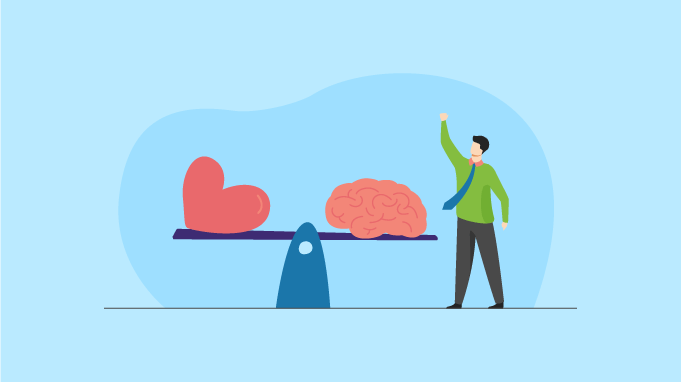
Emotional maturity isn’t something we suddenly acquire when we reach a certain age. Nor is it a fixed personality trait that divides people neatly into mature and immature categories. Instead, it exists on a continuum, shaped by our experiences, self-awareness, and willingness to grow.
We may demonstrate remarkable patience and composure at work yet become defensive when a loved one criticizes us. Someone who handles a crisis with admirable resilience might struggle with jealousy or insecurity in romantic relationships. Our emotional responses can also fluctuate depending on stress, exhaustion, or the circumstances we find ourselves in.
Psychologist James Gross’s research on emotional regulation offers an important insight. In a 2003 study with Oliver John, he found that people who habitually reinterpreted emotionally challenging situations tended to experience better interpersonal functioning than those who suppressed their emotions.
The findings suggest that emotional well-being isn’t simply about controlling what we express, but also about how we process our experiences.
Being emotionally mature doesn’t mean never feeling angry, hurt, jealous, or disappointed. These are natural human emotions. What matters is how we respond to them, whether we take responsibility for our behavior, and how we treat others when our needs and expectations aren’t met.
Ultimately, emotional maturity isn’t about achieving perfection. It’s about developing the awareness and flexibility to respond more thoughtfully, even when our emotions threaten to get the better of us.
The Signs of Emotional Immaturity: When Should You Pay Attention?
Emotional immaturity doesn’t always announce itself through dramatic outbursts or obvious displays of selfishness. Sometimes, it emerges in subtle, recurring behaviors that gradually undermine trust, communication, and emotional safety.
Consider someone who is charming, generous, and attentive when things are going well but becomes difficult to reason with whenever disagreements arise. Their behavior may seem contradictory, yet it illustrates how emotional immaturity often becomes most apparent when a person’s expectations are challenged.
Here are some common patterns worth recognizing:
1. Difficulty regulating emotions: Minor frustrations trigger disproportionate anger, prolonged sulking, or emotional outbursts. Rather than managing their feelings, the person may expect others to accommodate their emotional state.
2. Defensiveness and blame-shifting: Even gentle feedback is interpreted as criticism or rejection. Instead of acknowledging their contribution to a problem, they justify their actions, make excuses, or shift responsibility onto someone else.
3. Limited empathy: They struggle to appreciate perspectives that differ from their own, particularly when another person’s needs conflict with their desires. Conversations may repeatedly return to their feelings and grievances.
4. Poor conflict resolution: Disagreements become battles to win rather than problems to solve. They may resort to personal attacks, withdrawal, or the silent treatment instead of engaging in constructive dialogue.
5. Jealousy and controlling behavior: Insecurity manifests as possessiveness, excessive reassurance-seeking, or attempts to restrict another person’s independence. Such behavior may be rationalized as love or concern, even when it undermines trust.
6. Resistance to self-reflection: They repeatedly promise to change but make little effort to examine their patterns. Apologies may temporarily restore harmony without leading to meaningful behavioral improvements.
Relationship researcher John Gottman identified four particularly destructive communication patterns, which he called the Four Horsemen: criticism, contempt, defensiveness, and stonewalling. His research highlights how these recurring behaviors can erode relationship satisfaction and stability over time.
However, an occasional immature reaction doesn’t necessarily indicate a persistent pattern of emotional immaturity. Everyone has moments when stress, fear, or insecurity compromises their judgment. The more revealing questions concern how frequently these behaviors occur, how much harm they cause, and whether the person takes responsibility afterward.
Someone who loses their temper but later reflects, offers a sincere apology, and makes an effort to change demonstrates a very different level of self-awareness from someone who repeatedly hurts others while refusing accountability.
It’s also important to recognize that persistent intimidation, coercion, or controlling behavior should be taken seriously, regardless of whether emotional immaturity contributes to it.
The clearest indication of emotional growth, then, isn’t the absence of mistakes. It’s what someone chooses to do after making them.
Why Some Adults Never Emotionally Grow Up

In the 1993 film Groundhog Day, Bill Murray plays Phil Connors, a cynical weatherman who finds himself reliving the same day over and over again. Despite having countless opportunities to change, he initially responds with selfishness, manipulation, and frustration. It’s only when he begins examining his behavior and developing genuine concern for others that his circumstances finally change.
Phil’s predicament offers a fitting metaphor for emotional immaturity. We can accumulate years of experience without necessarily learning from them. Unless we examine our habitual responses, we may find ourselves repeating the same emotional patterns, conflicts, and disappointments.
But why do some people remain stuck?
Childhood conditioning plays a significant role. Our earliest relationships help shape how we respond to emotions, conflict, and vulnerability. A child raised in an unpredictable environment may learn to become defensive or hypervigilant, while one whose feelings are routinely dismissed may struggle to express emotional needs as an adult.
Attachment researchers Mario Mikulincer and Phillip Shaver have explored how early relationship experiences can influence emotional regulation and interpersonal behavior. Although these patterns aren’t permanent, they can become deeply ingrained ways of navigating relationships.
Our egos can also stand in the way of growth. Admitting we’re wrong requires confronting uncomfortable truths about ourselves. For some people, criticism feels less like an opportunity to improve and more like a threat to their identity. Blaming others, rationalizing mistakes, or refusing accountability may temporarily protect their self-esteem, but these defenses can prevent meaningful change.
Interestingly, external success can sometimes conceal emotional immaturity. Someone may be intellectually gifted, financially accomplished, or professionally respected while struggling to manage frustration or tolerate disagreement in personal relationships. Their achievements may reinforce the belief that their judgment is beyond question, leaving little incentive to examine their interpersonal shortcomings.
Psychologist Lindsay C. Gibson explores related patterns in her book Adult Children of Emotionally Immature Parents, describing how emotionally unavailable or self-focused parenting can affect children’s emotional development and later relationships.
Yet childhood experiences don’t determine our destiny. Emotional patterns can change through self-awareness, supportive relationships, and deliberate practice.
Perhaps the greatest obstacle is that familiar behaviors, however destructive, can feel safer than unfamiliar alternatives. Genuine growth demands that we question our assumptions, tolerate discomfort, and relinquish coping strategies that once protected us.
Like Phil Connors, we may keep encountering variations of the same problems until we become willing to change our responses.
The Hidden Cost of Emotional Immaturity in Relationships
Love may bring two people together, but emotional maturity often determines how well they navigate life together.
Consider a couple who genuinely care for each other but repeatedly clash over seemingly minor disagreements. One partner becomes defensive whenever concerns are raised, while the other learns to suppress their frustrations to avoid another argument. Eventually, the relationship becomes less about mutual understanding and more about managing emotional reactions.
This dynamic can be particularly exhausting when one person assumes most of the responsibility for maintaining harmony. They may find themselves carefully choosing their words, anticipating their partner’s moods, or apologizing simply to restore peace.
Over time, these patterns can breed resentment, diminish trust, and undermine emotional intimacy.
As John Gottman’s research on relationships suggests, it’s not the presence of conflict that determines a relationship’s strength, but how couples navigate disagreements and repair the damage afterward. The willingness to acknowledge mistakes, listen with empathy, and rebuild trust can make the difference between relationships that deteriorate under pressure and those that grow stronger through adversity.
Emotional immaturity can also blur the distinction between love and control. A person who fears abandonment may interpret independence as rejection, seeking constant reassurance or attempting to influence their partner’s choices. Yet healthy intimacy requires allowing another person to have needs, opinions, and experiences separate from our own.
These challenges aren’t confined to romantic relationships. Friendships and family bonds can suffer when one person’s emotional needs consistently overshadow everyone else’s.
Perhaps the most difficult situation arises when one person actively pursues emotional growth while the other resists change. Affection and loyalty may remain, but without mutual accountability, the relationship can become increasingly unequal.
All this points to an important truth: Loving someone and having the emotional maturity to build a healthy relationship with them are not necessarily the same thing. Lasting connection requires more than affection and chemistry; it calls for mutual understanding, accountability, and the willingness to navigate differences without losing sight of the respect and care that brought two people together.
Can Emotional Immaturity Be Overcome?
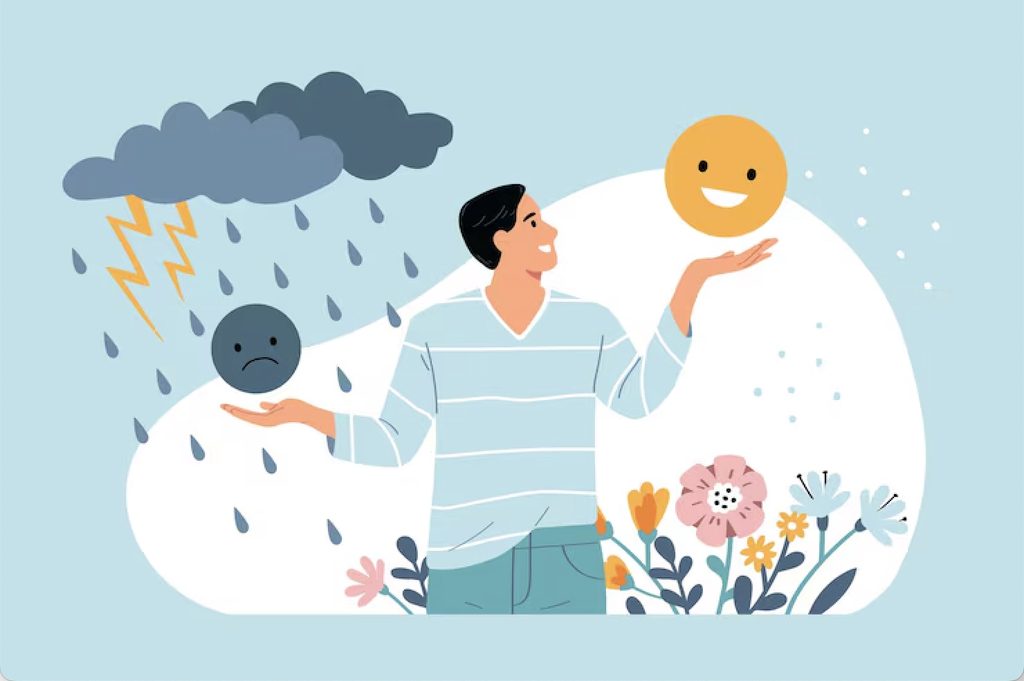
The encouraging news is that emotional maturity isn’t a fixed destination determined by our upbringing or personality. Just as we can develop new intellectual and professional skills, we can strengthen our capacity for self-awareness, empathy, and emotional regulation throughout adulthood.
However, meaningful change requires more than recognizing our shortcomings. It demands a willingness to confront uncomfortable truths and consistently practice healthier responses.
Here are five ways to cultivate greater emotional maturity:
1. Recognize your emotional triggers
Notice the situations that provoke defensiveness, jealousy, or disproportionate anger. Ask yourself whether your reaction reflects the present circumstances or echoes an older emotional wound.
2. Learn to regulate rather than suppress emotions
Instead of reacting impulsively or burying difficult feelings, practice pausing and reconsidering how you interpret a situation. Psychologist James Gross’s research on cognitive reappraisal highlights the benefits of reframing emotionally challenging experiences.
3. Take responsibility without making excuses
Acknowledging mistakes doesn’t diminish your worth. A sincere apology involves recognizing the impact of your behavior and making a genuine effort to change.
4. Develop empathy and emotional flexibility
Practice listening to understand rather than defend your position. Accept that someone else’s perspective can be valid even when it differs from your own.
5. Remain open to feedback and support
Trusted relationships, honest self-reflection, and professional guidance can help reveal blind spots and challenge deeply ingrained patterns.
Of course, emotional growth rarely follows a straight line. Old habits may resurface during periods of stress or uncertainty. What matters is the willingness to keep learning and adjusting.
And while we can encourage others to grow, we cannot do that work for them. Lasting change begins when someone recognizes the need for it and chooses to take responsibility.
Life doesn’t measure your growth by the number of candles on your birthday cake, but by how you respond to the challenges that test your character. Every disagreement, disappointment, and difficult relationship offers a mirror, revealing the emotional patterns you have yet to outgrow.
You cannot rewrite the chapters of your past, but you can choose how they shape your future. Each time you pause instead of lashing out, listen instead of becoming defensive, acknowledge a mistake, or respect another person’s boundaries, you loosen the grip of old habits and make room for healthier, more meaningful connections.
Growing older is a gift of time. Growing up emotionally is a choice you make, one thoughtful response at a time.
All my best on your journey,
Seline

Question for you: How might emotional immaturity be affecting your relationships, and what patterns could you change to foster greater self-awareness and healthier connections?
Did you like this post? Sign up below, and I’ll send you more awesome posts like this every week.

Have Your Say