
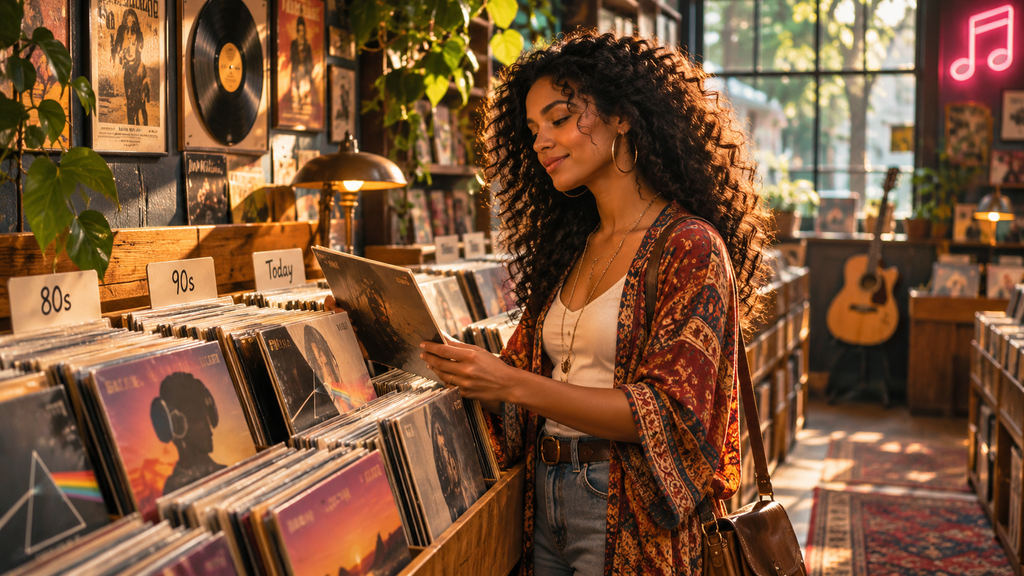
Have you ever listened to an old favorite and wondered why music doesn’t seem to move you quite the same way anymore? From soulful ballads to empowering anthems and viral hits, our changing musical tastes reflect shifts in our values and collective consciousness. Explore what these changes reveal about society, whether we’ve lost touch with the soul of music, and how we can rediscover its power to move, connect, and transform us.
“Without music, life would be a mistake.”
— Friedrich Nietzsche
There’s a particular moment that many music lovers of a certain generation know all too well: you’re driving to work, listening to the radio, when a song comes on with an infectious beat and a chorus that repeats the same few words endlessly.
You wait for the lyrics to develop into something meaningful, but the song continues much the same way. Eventually, you change the station, wondering what happened to the thoughtful lyrics and memorable melodies you grew up with.
And then it happens. You catch yourself thinking something you never imagined you’d say: They just don’t make music like they used to.
A sure sign that you’re getting older, perhaps. Or could there be something more to that observation?
Every generation has its musical preferences, and there’s nothing wrong with enjoying a catchy tune. But if you’ve ever wondered why certain songs from decades ago still stir something deep within you, while others fade from memory almost as quickly as they arrive, you’re not alone.
I’ll admit that I’m an unapologetic fan of music from the 1980s and 1990s.
There’s something about the melodies, rhythms, and lyrical depth of those decades that I’ve always found enchanting. Whether it’s the emotional richness of a Phil Collins ballad, the infectious energy and humanitarian messages of Michael Jackson, or the evocative sounds of Sting and Peter Gabriel, their music seems to speak directly to the heart.
Some songs can still move me to tears, even after countless listens. Others transport me to another time, awakening memories and emotions I didn’t realize were still tucked away inside me. There’s an almost spiritual quality to these experiences, as though the music opens a doorway to something larger than everyday life.
I felt somewhat validated when I came across videos by musician and producer Rick Beato, who has raised similar concerns about the growing simplicity and formulaic nature of contemporary popular music. It was reassuring to hear someone with his expertise articulate observations I’d been making for years.
Of course, musical taste is deeply subjective. What feels transcendent to one person may sound unremarkable to another. Someone raised on classical music, jazz, or contemporary pop may experience the same emotional connection I feel toward my favorite decades. That’s part of music’s beauty. It speaks to each of us through our memories, personalities, and experiences.
Still, the musical landscape has changed dramatically over the past few decades.
From lyrical themes to the way music is produced, marketed, and consumed, we’ve witnessed a significant cultural transformation. Where many iconic songs once explored love, compassion, social justice, and the human condition, today’s mainstream charts often seem dominated by catchy hooks, instant gratification, and attention-grabbing spectacle.
That’s not to suggest that meaningful contemporary music doesn’t exist. Plenty of talented artists continue to create thoughtful, emotionally resonant work. Nor was every song from the past a masterpiece. Yet I sometimes wonder whether the music that once commanded widespread attention possessed a certain gravitas that’s harder to find in today’s mainstream landscape.
And this curiosity leads me to a larger question.
If music reflects the times we live in, what does its evolution reveal about our collective consciousness?
Our songs are cultural time capsules, preserving the emotions, aspirations, and values of the societies that create them. Imagine someone a thousand years from now discovering the music dominating our playlists today. What might they conclude about our priorities, relationships, creativity, and understanding of what it means to be human?

Would they see a civilization celebrating freedom and individuality? One preoccupied with appearances, pleasure, and self-promotion? Or perhaps a complex mixture of both?
Ultimately, this isn’t simply about whether older music was better. It’s about what our changing tastes reveal about who we’re becoming.
To explore this, we need to look beyond the charts and catchy choruses, returning to a time when music served a purpose far older and more profound than entertainment itself.
From Sacred Rituals to Shared Humanity: The Origins of Music
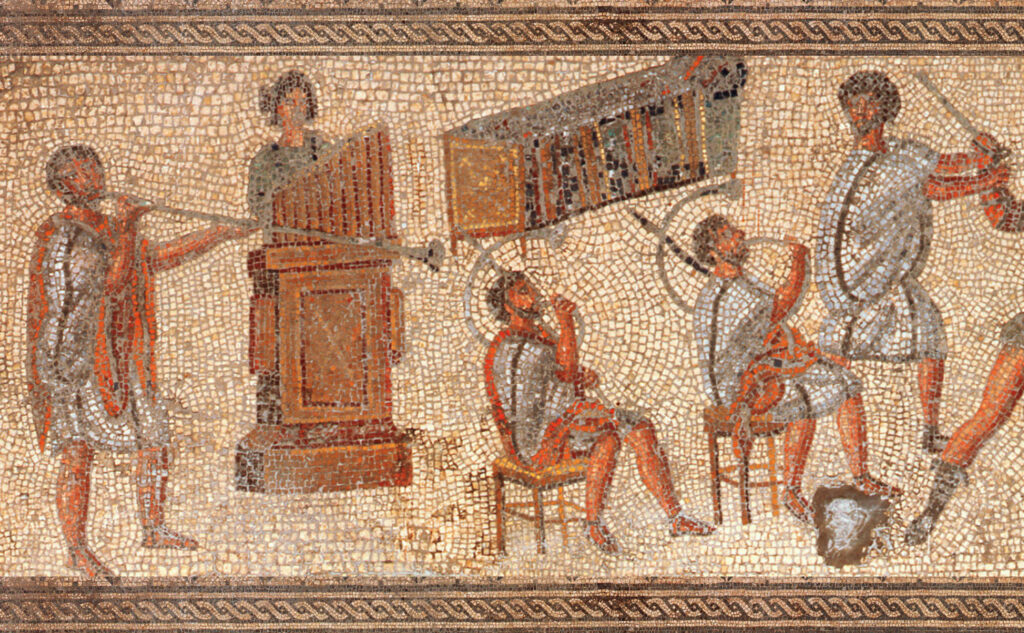
Long before music became a commercial industry, it was woven into the fabric of human existence.
Across ancient civilizations, people used chanting, drumming, and singing to honor the divine, celebrate important milestones, mourn their losses, and strengthen communal bonds. From the sacred chants of Hindu traditions to the ceremonial music of Indigenous cultures and the hymns of early religious communities, music offered a way to express experiences that words alone could not capture.
It was both a spiritual practice and a shared language, connecting individuals to their communities, their ancestors, and something greater than themselves.
Interestingly, modern research suggests that this communal dimension of music is deeply rooted in human behavior. A 2023 cross-cultural study published in Royal Society Open Science, examining thousands of recordings and ethnographic accounts from societies around the world, found that group singing was more prevalent than solo singing, particularly in contexts such as religious rituals and dancing.
Other research has demonstrated that singing together can accelerate feelings of social connection, even among strangers.
These findings offer an intriguing perspective on the soul of music. Perhaps one of its most enduring purposes has been to remind us that we are not isolated individuals, but part of a larger human experience.
And as societies evolved, music continued to serve this purpose, finding new ways to express our shared hopes, struggles, and aspirations.
When Songs Spoke to the Human Heart: The Music of the ’60s–’90s
As popular music expanded through the twentieth century, songs became powerful vehicles for emotional expression, social commentary, and cultural change.
The civil rights movement, antiwar protests, and growing awareness of global inequality inspired artists to use their platforms to address issues that extended far beyond personal relationships and everyday concerns.
During the 1960s and 1970s, songs such as John Lennon’s Imagine invited listeners to envision a world without division, while Marvin Gaye’s What’s Going On explored suffering, injustice, and the longing for peace.
This tradition continued into the 1980s and 1990s, when some of the world’s most recognizable pop artists brought humanitarian themes into mainstream consciousness.
Michael Jackson’s Man in the Mirror encouraged personal accountability as a starting point for social change, while Heal the World called for compassion and collective responsibility. Phil Collins’s Another Day in Paradise drew attention to homelessness and society’s tendency to overlook those in need.
Peter Gabriel’s Biko confronted the brutality of apartheid, while Sting’s Fragile reflected on human vulnerability and the consequences of violence.
What made these songs particularly compelling was their ability to combine memorable melodies with messages that encouraged listeners to look beyond themselves. They entertained, but they also invited reflection, empathy, and a deeper awareness of our shared humanity.
Of course, not every song from these decades carried a profound message, just as meaningful music continues to be created today. Yet these examples remind us of popular music’s remarkable capacity to bring important social and emotional concerns into everyday conversation.
At its most powerful, music does more than express what we feel. It can expand what we care about, challenge how we see the world, and inspire us to imagine something better.
From “We” to “Me”: The Rise of Individualism and Empowerment
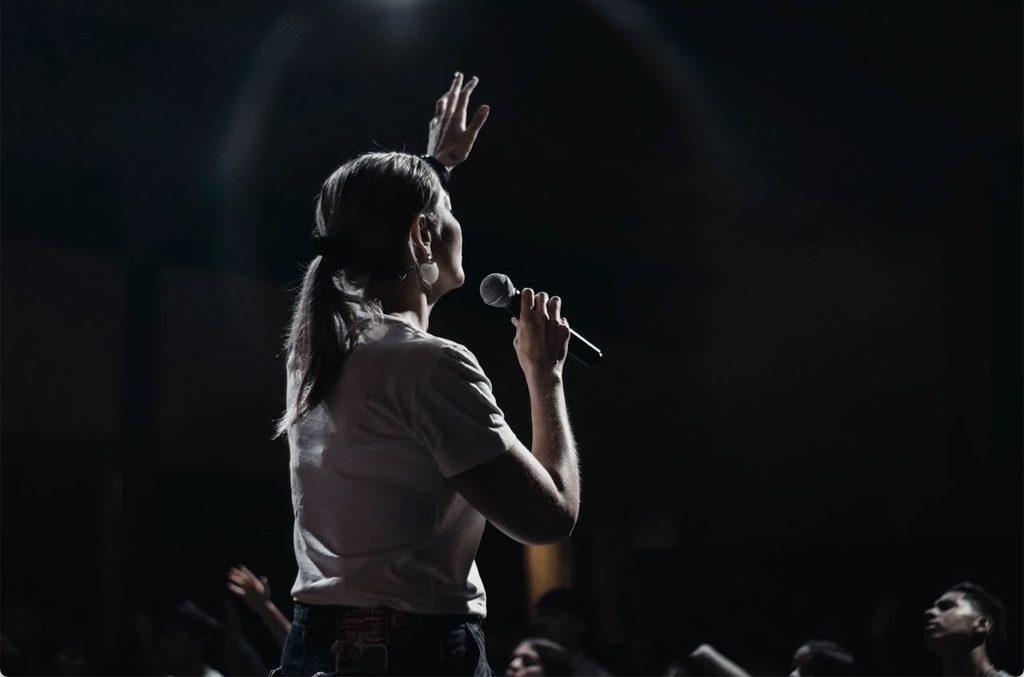
As cultural values evolved, so did the messages conveyed through popular music. While earlier generations of artists frequently addressed collective struggles and shared aspirations, many contemporary songs place greater emphasis on individual identity, personal freedom, and self-expression.
The rise of empowerment anthems reflects this shift. Songs such as Destiny’s Child’s Independent Women, Beyoncé’s Run the World (Girls), and Katy Perry’s Roar celebrate confidence, resilience, and the freedom to define one’s own path.
These messages have undoubtedly played an important role in challenging traditional expectations, particularly around gender, identity, and personal autonomy. Music has given countless listeners the courage to embrace their individuality, overcome adversity, and assert their worth.
Yet this evolution also raises an interesting question: Has our growing emphasis on personal empowerment come at the expense of our sense of collective responsibility?
Sociologists have long examined the rise of individualism in modern societies, where personal achievement, independence, and self-fulfillment increasingly shape cultural ideals. Popular music both reflects and reinforces these values, offering a window into how we understand success, happiness, and our place in the world.
Of course, self-expression and social consciousness are not mutually exclusive. A song celebrating personal freedom can also inspire solidarity and collective change.
Perhaps the more meaningful distinction is not between songs about ourselves and songs about others, but between music that encourages genuine growth and music that simply glorifies the self.
After all, the soul of music can be found in both personal liberation and our capacity to recognize the humanity we share.
The Age of Instant Gratification: Has Music Lost Its Soul?
Beyond changing cultural values, the way we create, discover, and consume music has transformed dramatically.
In earlier decades, listening often involved purchasing albums and appreciating an artist’s broader work. Today, streaming and social media have made music more accessible while reshaping what becomes popular.
A catchy chorus can propel a song to global recognition through seconds of exposure on TikTok or Instagram, making instant appeal increasingly valuable.
This emphasis extends beyond the music itself. The meticulously styled, digitally enhanced appearances of some K-pop idols, alongside sexualized imagery in mainstream music videos, reflect an entertainment culture that often prizes visual perfection and spectacle.
While these performances can showcase remarkable artistry, they also raise questions about commercial appeal. When so much attention is devoted to how artists look and perform, are we overlooking what their music has to say?
A 2024 study published in Scientific Reports, analyzing more than 12,000 English-language songs from 1980 to 2020, identified trends toward greater repetition, simpler lyrics, and changes in emotional expression.
Yet lyrical simplicity doesn’t necessarily indicate a lack of depth. Some of the most moving songs rely on remarkably simple words and melodies, and contemporary artists continue to explore profound human experiences.
Perhaps the greater concern is how we engage with music. When songs become background noise to scrolling, commuting, and multitasking, we may lose opportunities to appreciate their emotional nuances.
But these changes invite us to consider something beyond the music itself. If the songs we create and celebrate are shaped by our desires, values, and cultural priorities, could their evolution tell us something about how we’re changing as human beings?
What Our Musical Tastes Reveal About Our Collective Consciousness
Every generation leaves behind a musical legacy, a kind of cultural fingerprint that reveals something about its hopes, struggles, and aspirations. The songs that resonate with millions of people don’t emerge in isolation. They are shaped by the societies that produce them and the emotional needs of the people who embrace them.
Sociologist Émile Durkheim introduced the concept of collective consciousness to describe the shared beliefs and moral attitudes that bind a society together. Viewed through this lens, music becomes more than a form of entertainment. It offers a window into the emotional and cultural forces shaping our world.
Research supports the connection between music and cultural change. A 2019 study published in the Journal of Personality and Social Psychology, which analyzed popular American song lyrics spanning several decades, found an increase in individualistic language and a decline in collectivistic themes. These findings suggest that popular music may reflect broader shifts toward individualism in society.
Yet music doesn’t simply mirror our values. It can also influence how we feel, think, and connect with others.
Psychological research has shown that music can evoke powerful emotional responses, strengthen social bonds, and foster a sense of shared identity. Whether we’re singing together at a concert, moved by a humanitarian anthem, or finding comfort in a song that expresses our private struggles, music reminds us that our experiences are often more universal than we imagine.
This relationship between music and consciousness works in both directions. The songs we create reflect our cultural environment, while the music we repeatedly consume may reinforce certain emotions, attitudes, and ways of seeing the world.
Perhaps the more revealing question isn’t whether the soul of music has changed, but what our evolving relationship with music tells us about the kind of society we’re becoming.
Rediscovering the Soul of Music: How to Harness Its Transformative Power
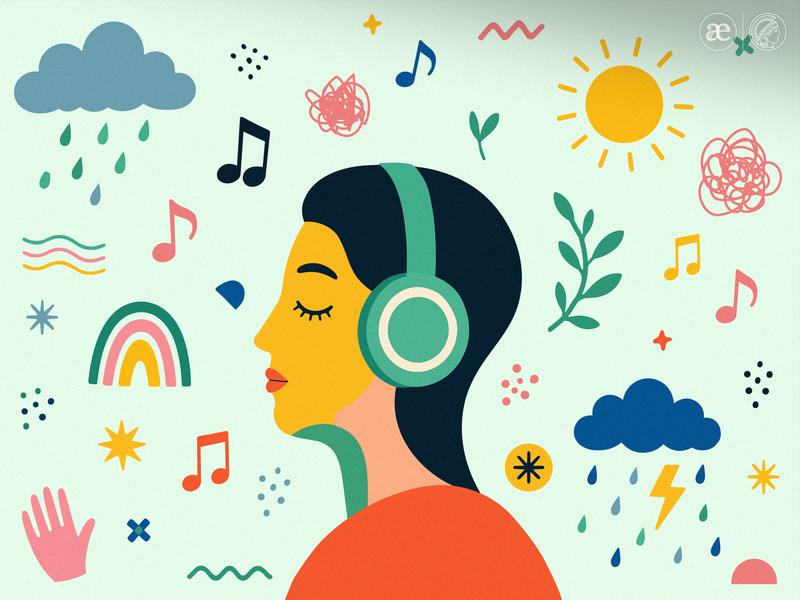
While musical trends continue to evolve, music’s power to move, inspire, and connect us remains unchanged. The key is to engage with it more intentionally.
Neuroscience helps explain why music affects us so deeply. A 2011 study published in Nature Neuroscience found that intensely pleasurable musical experiences trigger dopamine release, a neurotransmitter associated with reward and motivation. This helps explain why certain melodies can evoke joy, anticipation, or even goosebumps.
Beyond pleasure, music can help us process emotions, strengthen relationships, and reconnect with parts of ourselves that everyday life sometimes obscures.
Here are five ways to harness its transformative power:
1. Practice mindful listening.
Instead of treating music as background noise, set aside time to listen without distractions. Pay attention to the lyrics, melodies, and emotions that arise. Sometimes, a single song can reveal feelings we haven’t fully acknowledged.
2. Create a soundtrack for different emotional needs.
Curate playlists that help you feel energized, comforted, reflective, or uplifted. Research on music and emotional regulation suggests that people often use songs to manage their moods and navigate difficult experiences. Rather than automatically choosing something upbeat, consider what you genuinely need in the moment.
3. Explore music beyond your comfort zone.
Listen to artists from different generations, cultures, and genres. Music offers a unique opportunity to experience unfamiliar perspectives and appreciate the diversity of human expression.
4. Make music a shared experience.
Attend concerts, sing with friends, or exchange meaningful songs with loved ones. Research suggests that shared musical activities, particularly group singing, can strengthen feelings of social connection and belonging.
5. Choose music that enriches your inner world.
Notice how different songs affect your thoughts, emotions, and outlook. Seek out music that encourages reflection, compassion, hope, or simply the pleasure of being fully present.
Ultimately, rediscovering the soul of music doesn’t require rejecting contemporary trends or retreating into nostalgia. It begins with recognizing that music is more than something we consume. It’s something we experience, interpret, and carry within us.
When we listen with greater awareness, even the simplest melody can become an invitation to feel more deeply, connect more meaningfully, and appreciate the richness of being human.
Michael Jackson once described himself as an instrument through which music flows, believing that creativity comes from something greater than ourselves.
Perhaps that’s the enduring beauty of music. Like a river flowing through generations, its melodies may change, but its ability to touch the human spirit remains.
The soul of music isn’t confined to a particular era or genre. It lives wherever a melody awakens compassion, a lyric offers hope, or a song reminds us of our shared humanity.
So, the next time a song moves you, linger a little longer. Listen beyond the notes, and let it awaken something beautiful within you.
All my best on your journey,
Seline

Question for you: What does the changing soul of music reveal about the world you live in, and how can you reconnect with its power to move, inspire, and transform you?
Did you like this post? Sign up below, and I’ll send you more awesome posts like this every week.

Have Your Say