

When we’re upset, it’s easy to say or do things, in the heat of the moment, that we later regret. But not being able to manage ourselves when triggered often leads to hurt feelings and missed opportunities. These four steps will help you avoid saying and doing things you will regret later. (Estimated reading time: 5-6 minutes)
“Never let your emotions overpower your intelligence.”
— Jean Houston
Chances are that you have said or done things in your life that you’ve later regretted. On the spur of the moment, you may have blurted out a few choice words or acted out without carefully thinking things through.
What usually follows is a sinking feeling in your stomach and a parental-like voice inside your head that says, “Uh oh, you probably shouldn’t have said that!”
I’ll admit that I’ve been guilty of this behavior a few times, especially in my younger years. As a strong-minded and outspoken individual, I always took pride in expressing my views with unbridled passion.
But there have been times when my candid approach was counterproductive and left me feeling worse. Family members, ex-bf’s and close friends who had easy access to my hot buttons, bore the brunt of it.

What I’ve learned from my experiences is that inner balance and peace is essential for us to engage in genuine communication that’s conducive to healthy relationships.
There are times when we make genuine mistakes because we don’t have enough information. In these cases, we should let ourselves off the hook, but for the rest of the times, when we know that what we’re about to say or do could cause trouble, we need to stay alert and claim responsibility.
Why is this so important? Because saying and doing things that you’ll later regret could have some dire consequences, especially in an age of technology and social media where everything you put out there can be magnified to enormous proportions and become viral. One tweet, Facebook post or YouTube video could spark a revolution or even cause angry outbursts within our bustling global community!
In the offline world, our impulsive behavior can hurt or alienate someone we love, cause us to miss out on golden opportunities, or even get us into trouble with the law. A prisoner serving a life sentence with no chance of parole eventually understands the gravity of the poor choices.
Trent Bell, a photographer from Maine, was inspired by his friend, Brandon Brown, who had been sent to prison for a 36-year term, to start a photo project called “REFLECT”; a photo project that depicts the impact of the choices made by prisoners in Maine and the wisdom that they learned from their actions.
Each image of the 12 convicts has corresponding letters which share advice and warnings that highlight the thin line between freedom and captivity.
In a statement about the series, Bell said “Our bad choices can contain untold loss, remorse, and regret, but the positive value of these bad choices might be immeasurable if we can face them, admit to them, learn from them and find the strength to share.”
Fortunately, most of us have been raised with a moral code that steer us away from committing heinous crimes. The magnitude of the dilemmas that we face are comparatively smaller, but it still does not exempt us from having to hold ourselves accountable for our words and actions.
We humans are habit-loving creatures. We prefer to stick with what feels familiar and natural to us. We run on auto-pilot, unless we intervene and examine our behavior. The key to breaking unhealthy behavior patterns that aren’t working for us is a strong desire for change.
For example, when you’re arguing with someone who’s annoying you, you might be tempted to say hurtful things to them. In that instant, you’re in pain and you’re convinced if you “set them straight” you’ll feel better.
It’s precisely in these moments that you’ve got to overcome the impulse of saying exactly what’s on your mind without filtering it. This involves being able to distinguish the belligerent voice of your ego from the still inner voice of your Wise Self, which knows that we should avoid gossip, bragging, rude remarks, complaining and acerbic come-backs, at all costs.
Does it take work? Yes. Will it require extra effort on your part? Yes. Will it be worth it? Absolutely!
The good news is it gets easier with practice. With the right intentions and a keen observation of your patterns, you can instigate change.
These steps will help you avoid saying and doing things you will regret:
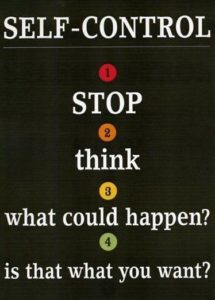
1. Pause and take a time out: If you feel overwhelmed by your emotions, take a step back. This is the key to preventing knee jerk reactions is taking a time out. It provides the time and space you need to gain perspective on whatever you’re dealing with.
2. Shift your state of being: Anger, sadness and fear induce an agitated state of being. Your heartbeat races, your blood pressure rises, and your body releases stress hormones such as cortisol. These physiological changes can diminish your ability to act in a sensible way. These natural reactions originate from the reptilian part of your brain which is all about survival and self-preservation.
But we’re seldom in grave danger so the rational part of our mind needs to come into play to override the primitive part of our brain. One of the best ways to get grounded is by engaging in conscious breathing. Taking deep breaths calms you, and balances your emotions. You can take it a step further by going for a walk, listening to soothing music, journaling or whatever helps you get you centered and feel a sense of harmony.
3. Review your intentions and communicate effectively: Once you get into balance, you’ll be in a better position to respond versus react to what you’re facing. You can engage in a state of inquiry by asking yourself thought-provoking questions such as:
What’s my real intention? What do I want to get out of this? Is there a better approach for getting the outcome that I desire while creating a win-win situation?
Once you’re clear about your intentions and objectives, you have to figure out the best way to communicate this to others. As you do this, consider important factors such as: voice tone, body language, location, channels and timing, and your audience’s character, interests and their goals.
4. Self-reflect: Every situation offers an opportunity for healing and growth. Situations and conversation that unsettle us are worth examining because they are often an indication of past wounds that haven’t been addressed by us. Your defense system would not be triggered if you weren’t sensitive about a particular issue.
For example, a woman who feels comfortable in her own skin is less likely to get offended by a rude comment about her weight than a woman who is insecure about her body. It takes courage to be able to look at these unpleasant aspects of your persona and transform them, but it’s the sure path towards your personal evolution.
Each and every one of us has love at the core of our being. The more accepting we become of our vulnerabilities and flaws, the more capable we’ll be in shining that light of love into the world.
All my best on your journey,
Seline

Question for you: How often do you find yourself saying and doing things that you later regret? What are some things you can do to bring more balance?

Wow, thre are so many people I know who need to read this blog- myself being one of them! It seems so easy to say or do something without thinking about what the outcome might be and if there will be any fallout from what we say! This is something I think we all need to be much more mindful of- thanks for sharing 🙂
I agree 100% this is such a powerful post and is something I think everyone needs to hear and understand. There is a lot to think about and consider but these are all important things that will benefit many- thanks for writing this seline and sharing it with us all!
You’re welcome Lizzy. I appreciate the kind words!
Alex- that’s true and I think that all of us sometimes need reminders (and this includes myself!).