

Being a resilient person is essential to our growth and mental wellbeing, but resilience is not for the faint of heart. The challenges we face demand a lot from us. Having a realistic outlook will prepare us for what’s to come and make us more capable of handling the unknown. (Estimated reading time: 6 minutes)
“Some days there won’t be a song in your heart. Sing anyway.”
— Emory Austin
As we grow older and gain life experience, our interpretation of the word “resilience” changes.
When we’re young and starry-eyed, we see endless possibilities. The world is our oyster, and resilience is akin to having the confidence to explore.
What it means to be a resilient person shifts once we step into the arena of life, putting ourselves out there, giving it our all, and eagerly awaiting the results. Somewhere along this journey, we realize that the return on the efforts we put in aren’t always the ones we want or expect.
Whether potential employers or investors turn us down, the people we date don’t turn out to be right for us, our health and physical capabilities take a hit and impact our productivity, or we lose people and objects dear to us, resilience is about holding onto the last shred of hope.
As someone who rarely takes the easy road, I’m familiar with what it means to be a resilient person. Following traditional, well-worn paths never felt right, and I’ve always been drawn to probe unconventional ways of thinking and being, even if that involves sacrificing comfort and facing challenges.
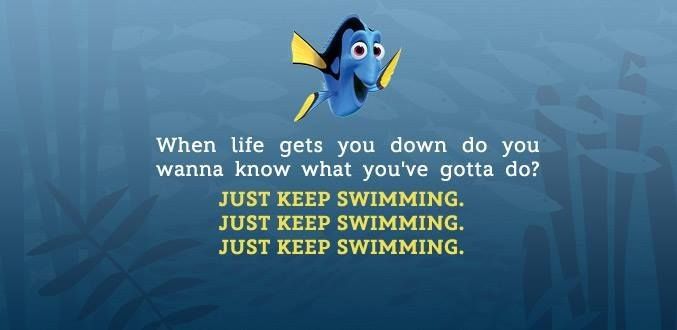
I’m inspired by the stories of Disney characters I grew up watching, such as Mulan, Hercules, and Belle—rebels who fought hard to find their place in the world and actualize their potential.
Yet, being daring comes with a price. Moving away from a sheltered environment exposes us to the world’s harsh realities: competition, failure, and disappointment. In other words, it demands more from us. It requires strength, wisdom, and yes, resilience.
I share this experience with much of humanity, many of whom have it much worse.
I think of the old lady I saw in India carrying a heavy basket of jackfruit to the market on her head. I remember seeing my uncle the day before he died, gasping for breath in a hospital bed. I see my friend’s teenage daughter trying to stand up on her own two feet for the first time after an accident.
Resilience is the cornerstone of the human experience, and it’s critical to our survival (and sanity). It gives us the gumption and outlook to overcome hardships. It makes us resourceful enough to find supportive people and healthy coping techniques to work through issues.
To me, being a resilient person is about using our trials and tribulations as opportunities for character-building and growth, without falling apart. But popular culture makes this process look easier and more glamorous than it really is.
What we don’t see in the heroic portrayals of resilience in the media, is the underbelly of resilience—the heavy emotional and psychological costs that come with it.
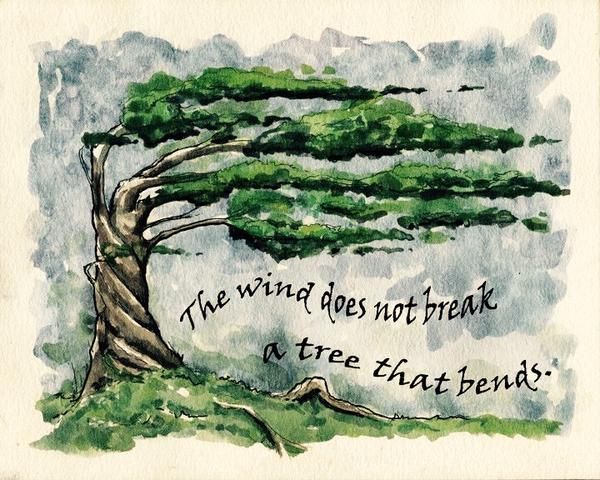
In her book, “Rising Strong,” author and researcher Brené Brown writes that we live in “a Gilded Age of Failure,” where we extol recovery stories for their redemptive endings. The clichéd motivational rhetoric around failure being a stepping stone to success glosses over the struggle, the “dark-night-of-soul” moments, and the long barren stretches of doubt and uncertainty that occur before a win happens (if it does at all).
Brown states that these portrayals do a huge disservice to the value of grit. She writes:
“Embracing failure without acknowledging the real hurt and fear that it can cause, or the complex journey that underlies rising strong, is gold-plating grit. To strip failure of its real emotional consequences is to scrub the concepts of grit and resilience of the very qualities that make them both so important—toughness, doggedness, and perseverance.”
Even archetypal figures that represent power and invincibility, like superheroes, are no exception. Before their heroic quests, heroes must go within and reckon with their vulnerabilities.
In movies like “Spider-Man: Into the Spider-Verse” we see the young protagonist, Miles Morales, going through the thick of failure as he struggles to develop his new superhero abilities to become Spiderman. In his lowest of lows, he still finds ways to get up and keep fighting through the loss, pain, and tragedy, and still be himself.
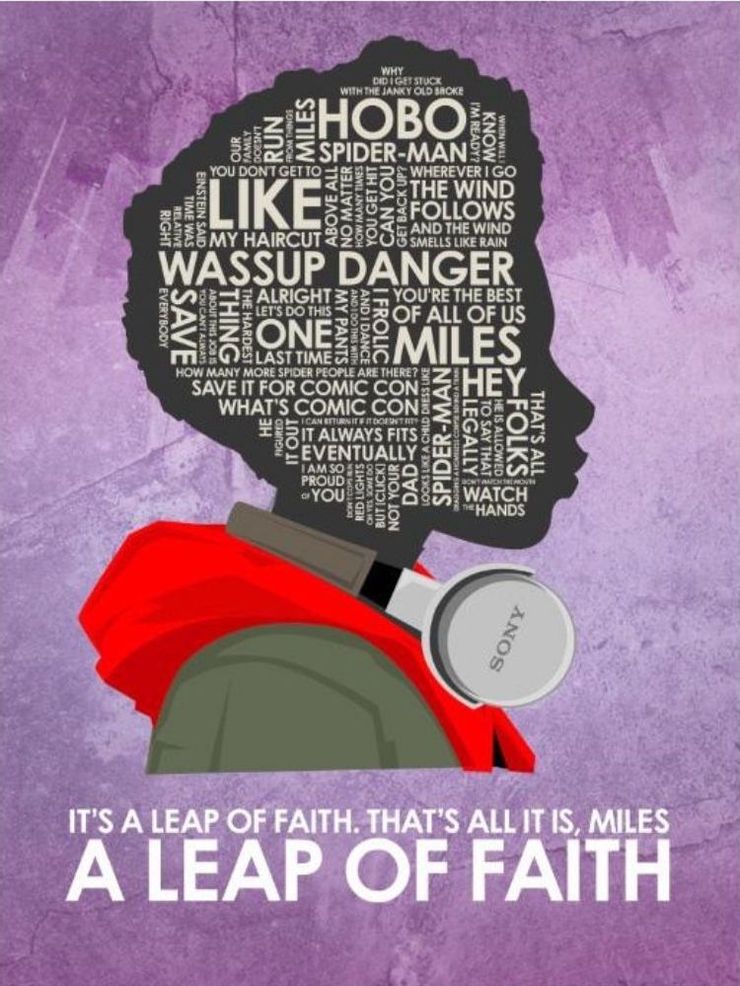
Relationships play a key role in Miles Morales becoming a resilient person. He was able to find support in his family and friends. His mom reminds him that “our family doesn’t run from things,” and his father says to him, “I see this…this spark in you. It’s amazing, it’s why I push you.”
Peter Parker, the former Spider-Man, plays a mentor figure to Morales and captures the essence of what it means to be resilient when he says, “No matter how many hits I take, I always find a way to come back.”
Even a superhero knows that the only way to bounce back when we get knocked down and tested is by going within to regain our emotional footing. Meaningful connections play a big part in that. Knowing these eight truths about being a resilient person will make the process easier:
1. You’re not going to feel strong all the time (and that’s okay): There will be tough days when it feels like you’re swimming against the tide, and you feel disappointed and doubtful of yourself. Normalizing these spells will make you less critical of yourself when it does happen.
2. You may not see results for a while: Resilience is a must for those playing the long game. You must be prepared for those lulls when nothing seems to be moving and not lose faith.
3. You can’t do it all on your own: Success is not a one-man game, and we need the help of others to make it to the finish line. Find a team you can rely on for advice, strategy, and support. At the same time, keep away from critics, naysayers, and haters who bring you down.
4. You’ll have to show up even if you don’t feel like it: Those days when you’re down and out and want to curl up and hide under your blanket is when resilience is most needed. Putting on a brave face, even when you’re not feeling it, may be required until you have time to take care of yourself.
5. Having the right perspective is essential: Our beliefs make up the filters we use to interpret the things that happen to us. A resilient person needs to have empowering beliefs that give them a healthy and balanced perspective on their situation and potential.
6. You’ll need to take good care of yourself: As a resilient person, you will put yourself in many situations of resistance and stress. Like a boxer who receives a few knocks in the ring, you must replenish your reserves with a self-care practice to regain your strength.
7. “Winning” may look different: Resilience means flexibility in your approach and preparing for results that may look different from what you anticipated. Not getting exactly what you want is not a dead-end or a failure, but a diversion to some other option you may not have considered otherwise.
8. It’s always worth it in the end: Even if you don’t get what you desire, you benefit through the lessons and qualities you develop from your experiences. Our vulnerability takes us down to the depth of our humanity, showing us what we’re capable of and what it means to be truly alive. Like a muscle you build, your willpower grows stronger with each challenge you endure.
While the path to becoming a resilient person isn’t an easy one, it is a heart-opening one. We understand pain on a visceral level, which makes us more empathetic toward others’ suffering. Ultimately, it helps us see that we all share a universal human experience, bringing us closer to each other. Like a ray of sunshine, our compassion lights the lives of those who cross our paths.
All my best on your journey,
Seline

Question for you: Can you think of a time when you demonstrated resilience? What did it tell you about your strength and capabilities?
Did you like this post? Sign up below, and I’ll send you more awesome posts like this every week.

Inspiring.